
+1 512 690 0132
PUBLISHED JANUARY 2026
The banking industry is going through a significant digital transformation, and applied AI is at its core. Banks are embedding AI into their core systems to optimize operations, mitigate risks, improve customer engagement, and stay competitive in a digital-first marketplace.
Applied AI is reshaping the way banks function, supporting advanced automation, instant fraud detection, and personalized financial experiences for customers.
Applied AI focuses on leveraging artificial intelligence to solve practical and domain-specific business problems. Leaders are adopting AI technologies to enhance decision-making, automate operations, and build predictive models. As its impact on business processes grows, Gartner forecasts a 76% increase in generative AI spending in 2025.
Banks are using AI to address key challenges, including tracking account and card activity, streamlining loan origination and credit decisions, and meeting regulatory requirements. With the right implementation, AI can enhance customer experiences, improve risk and compliance management, and increase operational efficiency.
AI adoption allows banks to innovate faster and operate with greater agility. It also helps reduce risks while strengthening customer trust and loyalty.
By adopting advanced AI solutions, banks can speed up the development of new products while improving operational flexibility. This also supports stronger risk management and helps create long-term, trusted relationships with customers.
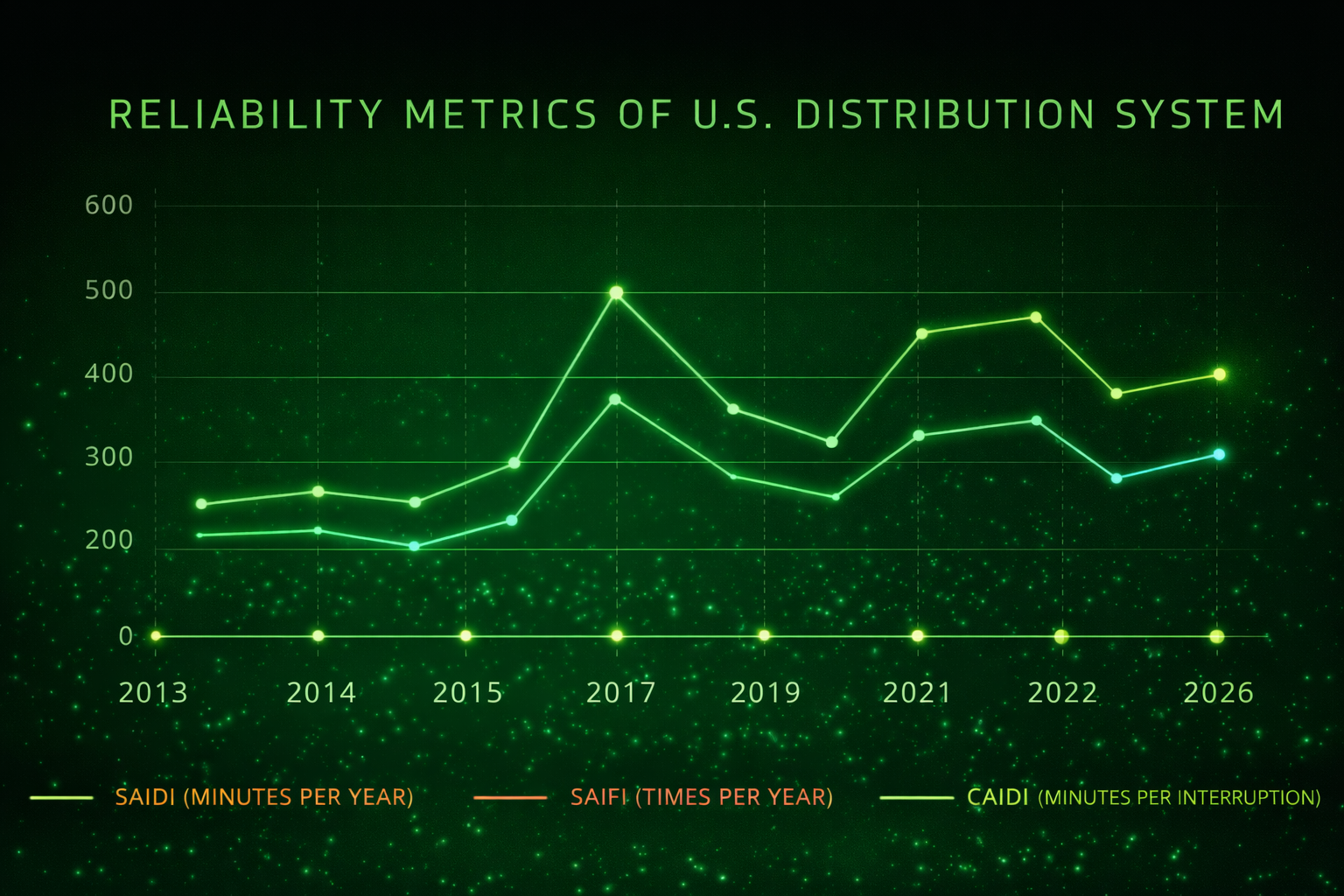
This is where data and analytics come in. With the right approach, utilities can extract powerful insights from the data they already have without needing to invest in new infrastructure.
“Despite all the changes in our industry, we still find ourselves talking about the same core issue—how to improve reliability while driving down maintenance costs,” said Steve Brown.
In this article, we’ll explore how distribution leaders can use their current data to drive real improvements in reliability.
In the banking sector, professionals frequently juggle strategic decision-making with routine administrative duties, creating operational bottlenecks and fatigue. AI-powered solutions can simplify and automate these repetitive processes, improving efficiency and workflow.
Utilize NLP and OCR capabilities to efficiently extract and process information from KYC documentation, loan forms, and regulatory compliance reports.
AI solutions such as GPT can generate tailored responses for customers, classify inquiries automatically, and direct them to the appropriate department for faster handling.
AI-driven bots are capable of checking, confirming, and managing high-volume transactions efficiently while reducing errors and speeding up processing time.
These enhancements help reduce operational costs, limit mistakes, and accelerate service delivery. By automating routine tasks with AI, banking teams can focus more on strategic priorities and building stronger customer relationships.
In the modern digital economy, customer loyalty depends heavily on tailored experiences and quick service. Applied AI makes it possible to build digital customer profiles, delivering real-time and context-aware assistance at every interaction point.
Gartner studies indicate that AI chatbots and virtual voice assistants are expected to independently manage up to 80% of customer interactions. This will help reduce the burden on call centers while delivering quicker service to customers.
AI copilots improve first-contact resolution by equipping customer service agents and branch staff with immediate access to product information, customer records, and relevant cross-selling insights.
AI evaluates spending habits, product utilization, and customer interactions to provide personalized financial guidance and tailored product suggestions.
This AI-driven strategy strengthens customer engagement and creates new revenue opportunities through improved product targeting and effective lifecycle management.
Regulatory compliance can be costly and complex for financial institutions. Applied AI helps streamline compliance processes, reduce risk, and support areas like third-party risk management and internal audits through a comprehensive enterprise-wide approach.
Machine learning models enhance the identification of suspicious activities and help minimize the need for manual reviews caused by false-positive alerts.
AI systems automatically record and categorize every activity, ensuring clear data traceability and greater transparency for regulatory oversight.
NLP systems analyze regulatory documents and align new requirements with existing business processes and data workflows.
AI technologies help financial institutions improve compliance, detect suspicious activities, automate audit tracking, and monitor regulatory updates in real time, enabling efficient AML and KYC processes while reducing risks and manual effort.
Credit decision-making often encounters integration challenges and is ready for innovation. Applied AI models evaluate a wider range of customer data to assess creditworthiness more accurately and fairly, while minimizing human bias.
Assess non-traditional data sources such as utility bill payments, digital wallet transactions, and online shopping behavior to gain deeper customer insights.
Credit models update in real time by incorporating changes in customer behavior and macroeconomic conditions.
AI monitors borrower activity after loan approval, identifies early indicators of potential default, and suggests timely actions or product modifications.
These AI capabilities support smarter lending decisions, lower the risk of defaults, and create opportunities to better serve customers while expanding market reach.
The use cases mentioned above have the potential to significantly enhance operational efficiency and deliver immediate value for financial institutions. However, implementing AI-driven solutions at scale requires organizations to develop the right talent, expertise, and supporting ecosystem.
To navigate this environment, institutions need a balanced strategy. This includes accelerating innovation through AI technologies, aligning internal teams across projects, and bringing in external experts to fill critical capability gaps when needed.
Many banks are now collaborating with strategic partners to introduce new roles and modernize their operating models in order to fully leverage applied AI. Emerging positions include AI and Data Engineers, ML Ops specialists responsible for deploying and managing models in production, AI Analysts focused on explainability and regulatory transparency, and AI Governance and Ethics Officers who oversee responsible AI frameworks.
Banks are also enhancing the skills of employees in traditional roles to prepare them for future demands and long-term value. This involves redefining role structures and introducing hybrid positions that combine multiple skill sets, such as finance and data expertise.

“Organizations face a multifaceted challenge as AI roles differ in skill requirements, and the demand for innovation continues to grow despite unclear talent pathways.”
— MIKE.P

At DC Tech, our specialists collaborate with organizations to identify how AI can strengthen banking operations and create scalable, customer-centric solutions. Reach out to our team to learn how AI can support sustainable growth and innovation.

